

What Is Appalachian Art?
Appalachian art is work made in and shaped by the Appalachian mountains, a region stretching from southern New York down through West Virginia, western Virginia, Kentucky, Tennessee, and into northern Georgia and Alabama.
It includes painting and sculpture in the fine art sense, but the term most often points at something older: functional objects made by hand, using techniques passed down rather than taught in school.
Appalachian Folk Art at a Glance
| Artist / Studio | Craft | Rooted In | Shop |
|---|---|---|---|
| Erin Simons, Laurel Ridge Studios | Hand-bound whisks and brooms | Traditional Appalachian, non-electric broom-binding | Shop Brooms |
| Amanda Sprinkle | Woven functional baskets | Appalachian and Indigenous basketry, with original overlay and dye techniques | Baskets |
| Jennifer Justice | Crochet: hats, blankets, toys | Handwork made for practical income, in the oldest sense of folk craft | Main Street Crochet |
| James Powers | Mixed-media, found-object sculpture | Appalachian punk tradition, commentary on mountaintop removal and McDowell County, WV | Cryptids |
| Laurel Creek Pottery, Laura Abbey | Functional stoneware | Ceramics inspired by the Appalachian landscape | Mugs |
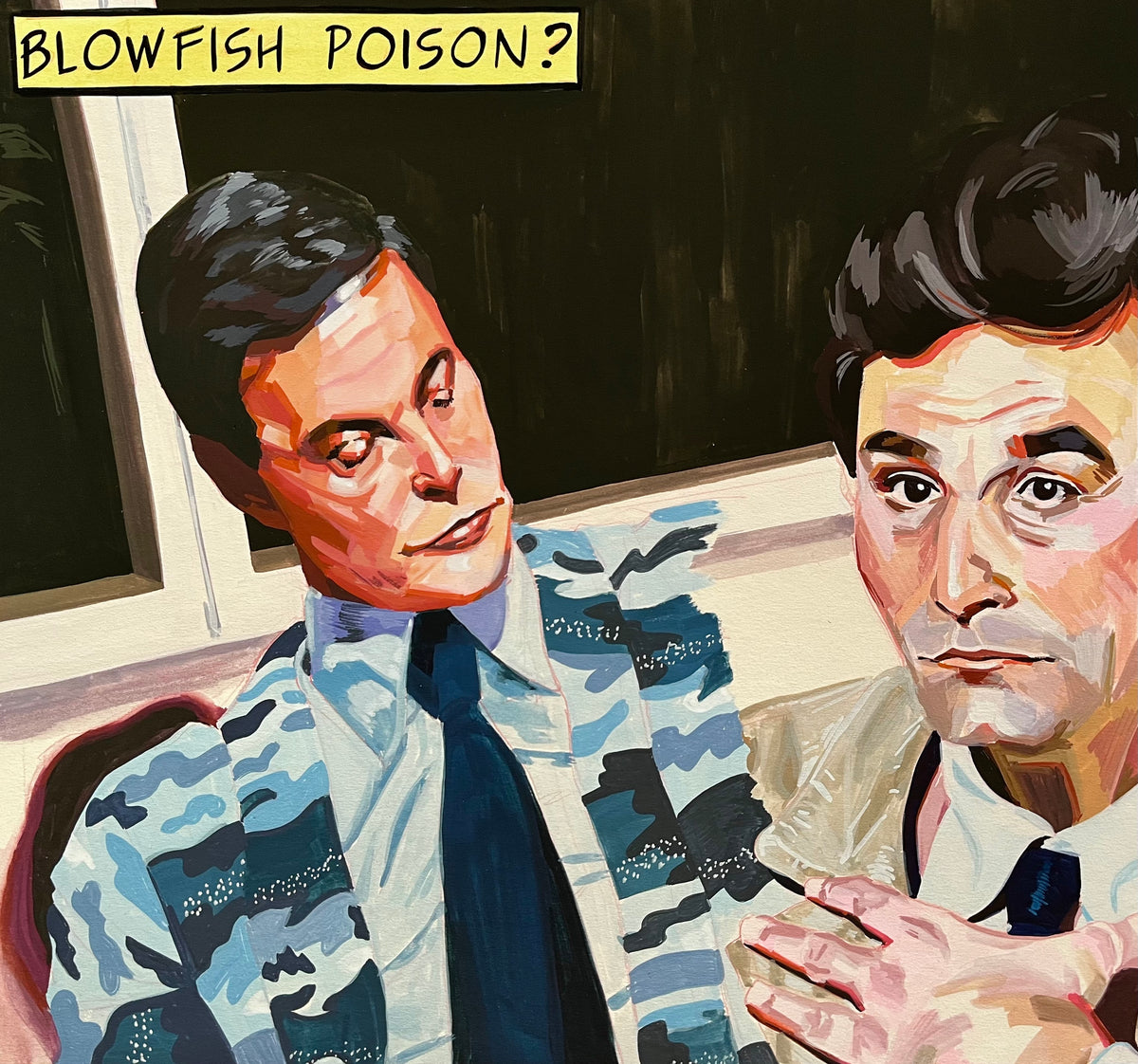
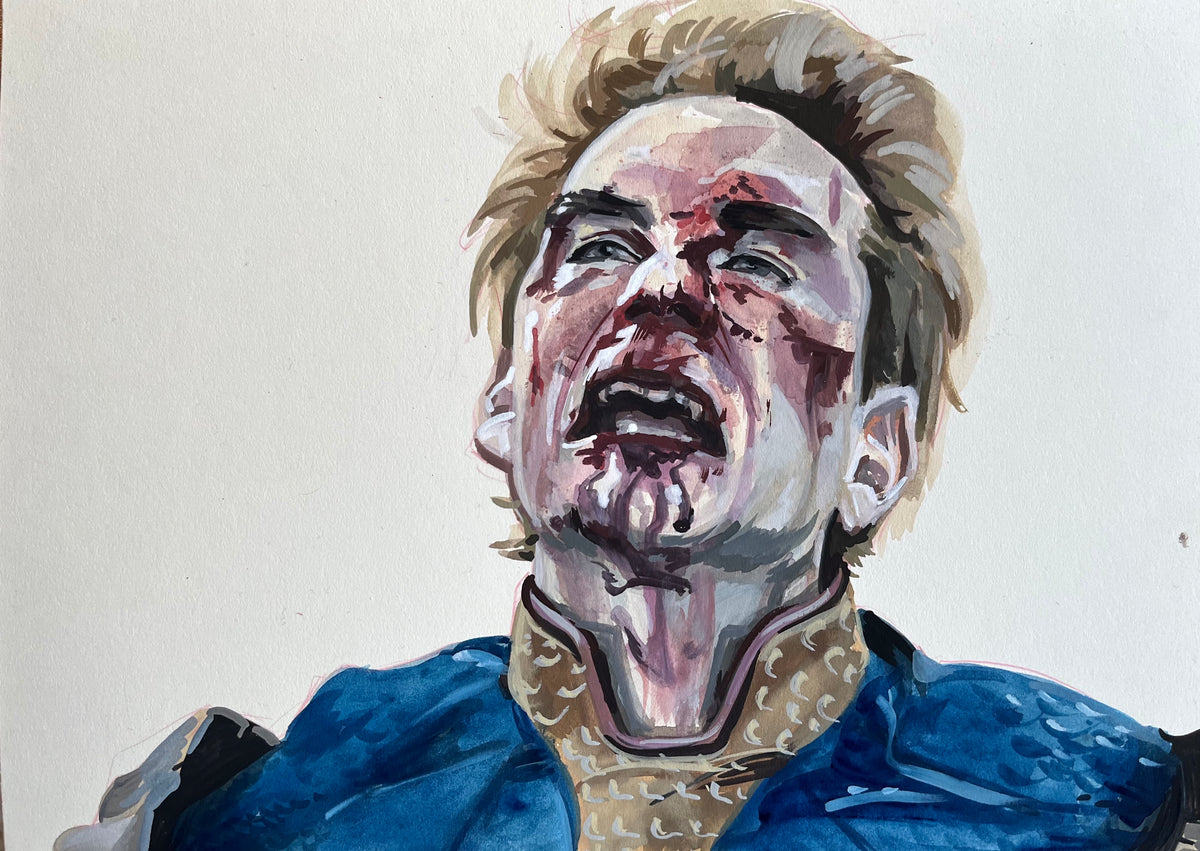
| MacKenna Hanson | Painting, works on paper | Contemporary Appalachian-adjacent painting (SAIC Alumni) | Shop EXTRAS |
What Is Folk Art?
Folk art is art made outside the academy. It doesn't come from an MFA program or an art history lecture. It comes from a grandmother teaching a granddaughter to weave a basket, or a father showing a son how to bind a broom. Folk art is usually functional first: a basket to carry something, a broom to sweep a floor, a quilt to keep a family warm. The beauty is not separate from the use. It grows out of it.
How Isolation Made a Culture
Appalachia has always been a place people went to disappear into.
Scots-Irish and English indentured servants worked off their contracts and pushed into the hollers rather than stay tied to the coast. Formerly enslaved and escaped Black people found refuge in the same remote terrain. Religious dissenters facing persecution came looking for land no one else wanted yet. The mountains were hard to farm and harder to reach, and that was the appeal. Isolation meant safety, and it also meant a culture that had to build itself from scratch, out of whatever was on hand and whatever people remembered.
Cut off from formal institutions, communities held onto what they carried with them: stories, songs, remedies, and craft, all passed down by voice and by hand rather than by book. Appalachian folklife is built on that oral tradition. Cherokee and other Indigenous communities were already here, and as Scots-Irish, English, German, and African traditions moved in, ideas mixed the way they do wherever people mix. Old World folk belief, African tradition, and Native American knowledge of the land blended into something specific to these mountains: a mixed inheritance passed down mouth to hand.
From Necessity to Beauty
The objects that came out of that isolation were made because they had to be, not because anyone set out to make art. A basket had to hold something. A broom had to sweep. But the people making them cared, and care shows. A woven overlay pattern, a dye technique, the particular curve of a hand-bound whisk: these are utility that became beauty because someone refused to make the object plain when they didn't have to.
That is the throughline of Appalachian folk art. It is what happens when skilled hands solve a practical problem and can't help but make it beautiful while they do it.
What the Industrial Revolution Took, and What Globalization Finished
These methods started dying with the Industrial Revolution, when machines could make a broom or a basket faster and cheaper than a person could by hand. Globalization finished the job, moving production overseas entirely and making the market so saturated that a slow, handmade object had to compete on price with something mass-produced for a fraction of the cost.

What's left is a smaller and smaller number of people who still know how to do this the old way. That scarcity is exactly why there's a resurgence of interest in it. People are looking at pre-industrial baskets, brooms, and textiles and noticing, maybe for the first time, how intricate the patterns actually are.
A Living Tradition: The Artists Keeping It Alive
Formato Fine Arts carries work from artists who are still doing this, mostly without an audience built for it. Many of them aren't chasing an Instagram following - noterietay is not in consideration.
Erin Simons of Laurel Ridge Studios hand-binds whisks and brooms using a traditional Appalachian, non-electric process, many with handles harvested from the woods behind her own studio in Southwest Virginia.

Gold Turkey Wing Broom w/ Dried Bunny Tails
Amanda Sprinkle wove her first basket in 1999 and now builds contemporary functional baskets on traditional Appalachian and Indigenous foundations, expanded with her own overlay and dye techniques.
Moss Ombre Curls
Jennifer Justice crochets punky hats, blankets, and toys in a studio on Main Street, right next door to the gallery. She's a mother of five, and the extra income from her work matters as much as the work itself. This is Appalachian folk art the way it's always existed: made because it's needed, not because it's marketed.
Luna Moth Bandana
James Powers builds mixed-media sculpture from found objects, wood, and whatever surface is on hand. His work speaks directly to the economic and environmental cost of mountaintop removal and the poverty it left behind in McDowell County, West Virginia. His found-object practice is its own kind of Appalachian tradition: making beauty out of what the land and the economy left behind.

Laurel Creek Pottery, founded by Laura Abbey, makes functional stoneware inspired directly by the Appalachian landscape.

The Wendigo and the Region's Cryptids
Appalachian storytelling didn't stop at craft. The oral tradition that passed down basket patterns also passed down its monsters. The Wendigo, a figure rooted in Algonquian tradition, is a spirit born of starvation and insatiable hunger.

Some contemporary Appalachian artists have picked the Wendigo back up as more than folklore, using it as a stand-in for the kind of extraction, coal, timber, land, that has driven the region's economy and its poverty for over a century. Cryptid folklore like this isn't a detour from Appalachian art. It's the same oral tradition that built the region's craft, just told a different way.
Shop and Visit Appalachian Art at Formato Fine Arts
Formato Fine Arts is a gallery in Wytheville, Virginia, carrying original work from Appalachian artists working in painting, ceramics, fiber, and found-object sculpture.
We're open Thursday through Saturday from 11 to 3, and by appointment the rest of the week, at 100 W Main Street.